
If you’re tired of showing up to a trailhead and finding a parking lot that looks like a Walmart on Black Friday, you’re not alone. The outdoor adventure scene has exploded in the last few years – and honestly ? The most iconic spots are kind of ruined now. Overcrowded, over-Instagrammed, over it. But here’s the thing : there are still places out there that feel genuinely wild, genuinely surprising, and genuinely worth the trip.
2025 is shaping up to be a great year to explore off-the-radar destinations – if you know where to look. Whether you’re into multi-day hiking, white-water kayaking, or just that particular kind of silence you only get when you’re miles from anyone else, the options are better than ever. Operators like azimutaventure.com are part of a new wave of experience-focused outfitters that build entire trips around immersion, not just the Instagram shot.
The Lofoten Islands (Norway) – Still Underrated, Somehow
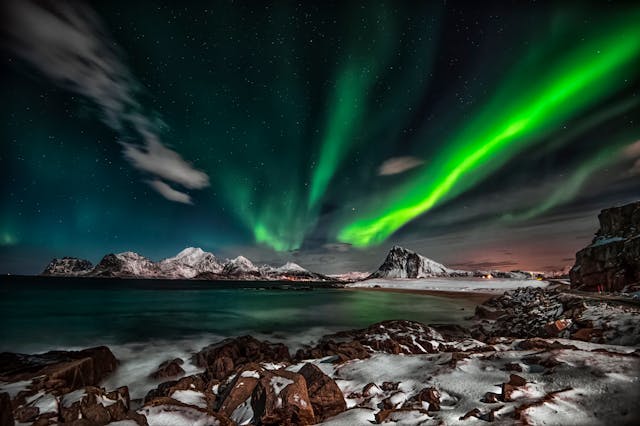 I know, I know – Norway sounds expensive. And yeah, it is. But the Lofoten archipelago in northern Norway is still, bafflingly, not on most people’s radar compared to places like Patagonia or Iceland. The dramatic peaks drop straight into fjords, the fishing villages look like they were painted by someone who’d had a great day, and in winter you’ve got a real shot at seeing the Northern Lights from a rorbu – a traditional red fisherman’s cabin right on the water.
What makes it special in 2025 specifically ? A growing network of guided sea kayaking routes between the islands. Some operators now offer 3 to 5-day expeditions where you’re paddling between villages, camping on beaches that are genuinely deserted. The water is cold (let’s be real, it’s cold), but the scenery is absurd in the best possible way.
The Slovenian Highlands – Europe’s Best Kept Secret
Slovenia keeps coming up in adventure travel circles, and I think this is finally the year it goes mainstream. But right now, the Triglav National Park area – particularly the valleys around Bohinj rather than the more famous Lake Bled – offers something rare : serious alpine terrain without the crowds.
We’re talking technical via ferrata routes with fixed steel cables up limestone cliffs, glacier-carved valleys with turquoise rivers, and mountain huts that serve hot soup at the top like it’s nothing. The infrastructure is solid enough to be safe but rough enough to feel like an actual adventure. That balance is harder to find than people think.
Chiapas, Mexico – Beyond the Tourist Trail
Most people who go to Mexico for outdoor adventure head to Baja or the Yucatan. Fair enough. But Chiapas, in the south, is doing something different. The Sumidero Canyon is legitimately one of the most dramatic natural features in North America – vertical walls up to 1,000 meters high, carved by the Grijalva River. You can boat through it, and the scale doesn’t register until you’re actually in there.
Further into the highlands, the cloud forests around San Cristóbal de las Casas offer hiking trails where the vegetation is so dense and misty it feels more like a scene from a fantasy novel than a day hike. Perso, I wasn’t expecting Chiapas to hit that hard. It surprised me.
The region also has emerging options for multi-sport trips – combining canyoning, rappelling into waterfalls, and trail running. The kind of thing that used to require flying to New Zealand.
The Cévennes (France) – A UNESCO Biosphere You Can Actually Walk Across
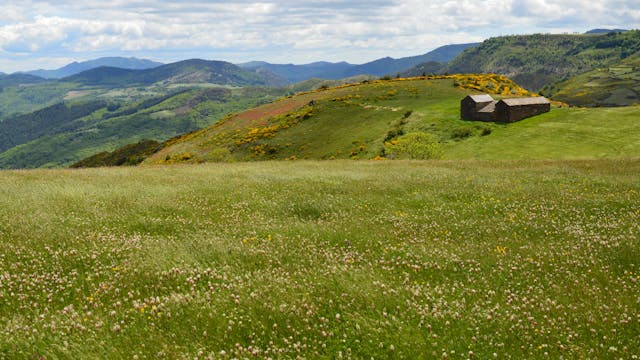 Here’s one for the long-distance hikers. The Cévennes in southern France is a UNESCO World Biosphere Reserve, and the GR70 – also called the Stevenson Trail after Robert Louis Stevenson who walked it in 1878 with a donkey – crosses the whole thing over about 12 days.
It’s not technically hard. But it’s long, it’s remote in stretches, and the landscape shifts constantly : chestnut forests, granite plateaus, tiny medieval villages where people actually live year-round. You’ll pass through places that haven’t changed much in 200 years. The trail is well-marked but not crowded – especially if you do it outside August.
Practical note : the GR70 runs roughly 272 kilometers from Le Puy-en-Velay to Alès. Most hikers take 12 to 15 days. Gîtes (rural hostels) are spaced along the route, so you don’t need to carry camping gear unless you want to.
The Altai Mountains (Central Asia) – For the Seriously Adventurous
Okay, this one isn’t for everyone. The Altai range, spanning parts of Russia, Mongolia, Kazakhstan and China, is remote in a way that most Western travelers never really experience anymore. We’re talking days of travel just to reach the trailhead. No cell service. Rivers you ford on horseback.
But if you want to know what it felt like to explore genuinely uncharted territory – maybe it’s the closest you can get in 2025. The Mongolian section in particular has seen a small but growing number of guided expedition operators set up responsible trek circuits, often combining horsemanship with high-altitude hiking and stays with nomadic families.
It’s not comfortable. It’s not easy to organize. But people who’ve done it tend to talk about it differently than they talk about other trips.
What Makes a Destination Worth It in 2025?
Here’s what I keep coming back to : the best outdoor experiences right now aren’t necessarily the most dramatic landscapes. They’re the places where you still feel like a guest rather than a tourist. Where the infrastructure serves the adventure instead of replacing it. Where something can still go slightly sideways and that’s part of the point.
The sites listed above all have that quality, to varying degrees. Some are accessible, some are genuinely demanding. But none of them will make you feel like you’re moving through a theme park version of the outdoors.
So – where are you going this year ?
Leave a Reply